

COXA VARA
At the Medical City Children’s Orthopedics and Spine Specialists medical practice, our expert Coxa Vara doctors and surgeons are dedicated to diagnosing and treating children with all types of medical conditions to ensure comprehensive care is tailored to each patient’s needs. We only specialize in children’s health, and we have undergone advanced training to do so. We treat minor and very major medical conditions with a compassionate approach, and our team cares for patients suffering from Coxa Vara.
If your child needs surgery or casting, our Fracture Care Clinic opens every day and you do not need an appointment. Surgery rooms get scheduled every morning, so your child receives the care and attention they need right away.
Coxa Vara
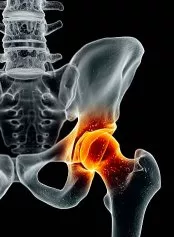 Coxa vara is a medical term that refers to an abnormal hip joint. The word “coxa” is Latin for hip, and “vara” means genuine. Coxa vara refers to a hip joint that has developed abnormally, typically due to a congenital or developmental condition.
This condition can result in a variety of problems, including pain, decreased mobility, and a deformity of the hip joint. This condition is a relatively uncommon condition, but it can negatively impact a person’s quality of life and daily activities. Treatment options for coxa vara can range from physical therapy and lifestyle modifications to surgery.
Coxa Vara affects about one in 25,000 kids, with either hip, and males and females are equally affected. It results in a decrease in the angle between the femoral head and the ball of the joint. It gives the leg the appearance of being shorter and can cause a limp. The problem frequently doesn’t become obvious until a child is two or three years old.
The Impact of Coxa Vara on a Child’s Future
When exploring how Coxa Vara can affect a child into adulthood, it is essential to consider the condition’s varying degrees and the potential consequences of different treatment paths.
Early Intervention vs. Undiagnosed Cases
- Mild and Treated Cases: Children diagnosed with mild forms of Coxa Vara typically benefit greatly from early intervention. With proper treatment, these children often experience minimal long-term effects, allowing them to enjoy a healthy, active adulthood.
- Untreated or Undiagnosed Cases: In contrast, cases that are not diagnosed or remain untreated pose a different set of challenges. These children face an increased risk of developing walking difficulties as they grow older. This can significantly impact their mobility and overall quality of life.
Long-term Health Implications
- Mobility Issues: Without treatment, the abnormal angle of the hip joint can lead to persistent difficulties in walking, making daily activities more challenging.
- Risk of Osteoarthritis: Ongoing strain on the hip joint can accelerate wear and tear, significantly increasing the likelihood of osteoarthritis in adult years. This degenerative joint condition can cause pain and further limit movement.
Conclusion
Understanding and addressing Coxa Vara in its early stages is crucial. Prompt intervention can mitigate adverse effects and contribute to a child’s long-term well-being.
QUESTIONS AND ANSWERS
What is coxa vara in children, and how does it occur?
Coxa vara is a condition where the angle between the femoral head and the femoral neck is decreased, resulting in a reduced angle. It can be congenital (present at birth) or acquired. Congenital coxa vara is usually a result of abnormal development during fetal growth, while acquired coxa vara can be caused by conditions such as Perthes disease, fractures, or infections affecting the hip joint.
What are the common symptoms and signs of coxa vara in children?
Children with coxa vara may present with a range of symptoms, including limping, pain in the hip or groin area, limited range of motion in the hip joint, and difficulty walking or bearing weight on the affected leg. The affected hip may also appear to turn inward or outward, and there may be differences in leg length. In some cases, there may be no obvious symptoms, especially in mild cases.
How does a doctor diagnose and treat a child with coxa vara?
Diagnosis typically involves a thorough physical examination, medical history review, and imaging studies such as X-rays, CT scans, or MRI to assess the hip joint’s structure and confirm the coxa vara deformity. Treatment varies based on the severity of the condition and may include observation, physical therapy, and orthotic devices in milder cases. In more severe cases or when conservative measures fail, surgical intervention may be necessary to correct the hip angle. Surgical procedures may involve osteotomies (bone cuts) to realign the femur or other corrective measures.
The Medical City Children’s Orthopedics and Spine Specialists doctors specialize in children and adolescents. Our doctors treat Coxa Vara in children and definitely stop the pain and fix the hip condition.
Coxa Vara Symptoms
Coxa Vara can cause a variety of symptoms, depending on the severity and the age of the patient. Some common symptoms of this condition include:
- Pain in the hip joint is a common symptom of coxa Vara, and it can range from a dull ache to a sharp, stabbing pain. The pain may be generated in the hip itself, or it may radiate down the leg.
- Patients with Coxa Vara may experience difficulty moving their hip joint, including difficulty walking, standing, or climbing stairs.
- Coxa Vara can cause a deformity of the hip joint, including a shortening of the affected limb, a noticeable tilt to one side, or a bowing of the thigh bone.
- Some patients with Coxa Vara may experience a feeling of instability in their hip joint, particularly when walking or standing.
- Patients with Coxa Vara may develop a limp as a result of pain or difficulty walking.
If your child is experiencing any of these symptoms, it is important to seek medical attention. A doctor can perform an examination and imaging tests to confirm a diagnosis of Coxa Vara and determine the best course of treatment for your child.
Coxa Vara Causes
Coxa Vara is a congenital condition, which means it is present at birth. The exact cause of this condition is not well understood. However, this condition appears to stem from a combination of genetic and environmental factors. Some theories suggest that Coxa Vara stems from:
- Abnormal development of the hip joint: The hip joint is a ball-and-socket joint that is formed by the head of the thigh bone (femur) fitting into a socket in the pelvis (acetabulum). In some cases, the acetabulum may not form properly, which can cause the hip joint to develop abnormally.
- Abnormal growth patterns: In some cases, Coxa Vara may come from a mismatch in the growth patterns of the bones in the hip joint, which can result in an abnormality of the joint.
- Environmental factors: Exposure to certain environmental factors, such as certain chemicals or drugs, during pregnancy has been associated with an increased risk of this condition in some cases.
- A malformation in which the fracture remains in an inversion.
- Loss of reduction due to insufficient stability of the fracture.
- Nonunion or delayed union.
- Premature proximal femoral physis closure accompanied by increased trochanter expansion.
It is important to note that in many cases, the exact cause of Coxa Vara is not known. Nevertheless, a diagnosis of this condition can help guide the treatment and management of the condition.
Coxa Vara Diagnosis
Coxa Vara is typically diagnosed through a combination of physical examination, medical history, and imaging tests. Your doctor may perform the following tests to diagnose Coxa Vara:
- Your doctor will perform a thorough examination of your child’s hip joint, including checking for pain, deformities, and any limitations in range of motion.
- Your doctor will take a detailed history of your child’s symptoms, including when they began, how long your child has had them, and any treatments your child has received.
- Your doctor may order imaging tests to get a better look at the bones and tissues of your child’s hip joint. These tests may include X-rays, MRIs, or CT scans.
- In some cases, your doctor may perform additional tests to rule out other conditions.
A diagnosis of Coxa Vara is important to help guide the treatment and management of the condition. Early and accurate diagnosis can help prevent further damage to the hip joint and surrounding tissues. Early diagnosis will also help improve your child’s overall prognosis.
Surgery Considerations
The decision to undergo surgery for Coxa Vara is based on a variety of factors. Surgeons consider the severity of the condition, the age and health of the patient, and other medical conditions. Some of the parameters that are used to consider surgery for Coxa Vara include:
- Pain: If conservative treatments, such as physical therapy and pain management, are not effectively controlling pain, doctors will suggest surgery.
- Limitations in mobility: If the hip joint is unstable or if there are significant limitations in the range of motion, doctors will suggest surgery.
- Deformity: If there is a noticeable deformity of the hip joint, such as a shortening of the affected limb, a tilt to one side, or a bowing of the thigh bone, doctors will suggest surgery.
- Age: Children and young adults with Coxa Vara may definitely benefit from surgery, as their bones are still growing and their bodies are more adaptable to changes.
- Overall health: Doctors will consider the overall health of the patient, including the presence of any other medical conditions, before performing surgery.
It is important to note that each case of Coxa Vara is unique. Doctors will decide on a case-by-case basis. Your doctor can help you understand the potential benefits and risks of surgery. This will allow parents to make an informed decision about the best course of treatment.
When Does Treatment for Coxa Vara Typically Start?
Determining when to begin treatment for Coxa Vara hinges on several factors. These include the child’s age at diagnosis, the condition’s severity, and specific protocols of the healthcare facility.
Key Factors Influencing Timing
- Age at Diagnosis: If diagnosed early, the medical team might delay surgical intervention. Often, surgery is considered when the child reaches five to six years old, allowing more growth and bone development.
- Severity of the Condition: In cases where the deformity poses significant developmental challenges, earlier intervention might be necessary. Some children may undergo surgery around 18 months of age to address severe symptoms sooner.
- Healthcare Provider Recommendations: Treatment timelines can vary based on the strategies of the treating medical center and the expertise of the orthopedic specialist involved.
Ultimately, the decision on when to start treatment is tailored to each child’s unique situation, ensuring the best possible outcomes.
Treatment
Doctors may recommend surgery for Coxa Vara if conservative treatment methods like physical therapy and lifestyle modifications do not work. In controlling symptoms. Surgery can help to realign the hip joint and reduce pain and deformity. Some of the reasons that doctors recommend surgery to treat Coxa Vara include:
- Pain relief: Surgery can help to relieve pain in the hip joint caused by Coxa Vara.
- Improved mobility: Surgery can help to improve the stability and mobility of the hip joint. Thus, it makes it easier to perform daily activities and reduces the risk of future injury.
- Correction of deformity: Surgery can help to correct deformities caused by Coxa Vara. For instance, shortening of the affected limb, a noticeable tilt to one side, or a bowing of the thigh bone.
- Prevention of further damage: Surgery can help to prevent further damage to the hip joint and surrounding tissues. This will reduce the risk of long-term complications.
- Improved quality of life: By reducing pain, improving mobility, and correcting deformities, surgery can help to improve a person’s overall quality of life.
It is important to note that surgery is not always necessary for Coxa Vara. Therefore, the decision to undergo surgery is ultimately a personal one that parents should make in consultation with their doctor.
Checkups
Children should frequently get checked following surgery until their growth is finished, since the deformity can come back regardless of the osteotomy technique. Enhancing the H-E angle to less than 38 degrees can reduce the likelihood of recurrence. Many children with Coxa Vara also have concomitant femoral hypoplasia and limb-length disparity, which both need watching and may eventually necessitate limb-length equalization. This requires monitoring in addition to looking for recurrence of the cubitus varus deformity. The functional results of surgical correction are frequently poor to fair, and residual gait abnormalities are frequent, according to long-term research.
Bottom Line
There are not a lot of articles currently accessible about Coxa Vara since this condition is rather uncommon. The best course of action is surgery. In the case of acquired Coxa Vara from a hip fracture, the doctors and surgeons must be hip experts. The Surgeons must be familiar with the proximal femur and femoral neck as they require precise reduction and firm fixation. These medical procedures need experts, and the doctors and surgeons at the Medical City Children’s Orthopedics and Spine Specialists have the knowledge, skills, and abilities to help children with this condition.
If you come to one of our Medical City Children’s Orthopedics & Spine Specialists offices in Arlington, Dallas, Flower Mound, Frisco, and McKinney, Texas, our pediatric orthopedic doctors will examine your child and recommend the best treatment option to repair the problem and allow your child to grow without a major hip problem.
____________________
Citation: Radio Paedia: Coxa Vara
The medical content on this page has been carefully reviewed and approved for accuracy by the Medical City Children’s Orthopedics and Spine Specialists’ qualified healthcare professionals, including our board-certified physicians and Physician Assistants. Our team ensures that all information reflects the latest evidence-based practices and meets rigorous standards of medical accuracy, with oversight from our expert spine doctors to guarantee reliability for our patients.
Call 214-556-0590 to make an appointment.
Comprehensive services for children from birth through adolescence at five convenient locations: Arlington, Dallas, Flower Mound, Frisco and McKinney.