
Children’s Growing Pains: A Comprehensive Guide for Parents
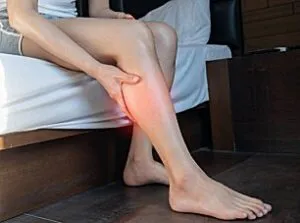 At Medical City Children’s Orthopedics and Spine Specialists, we understand how concerning it can be when your child wakes up crying from leg pain or complains of aches after a busy day of play. Growing pains are one of the most common reasons parents seek answers about their child’s discomfort. While the name suggests a link to rapid growth, these pains are a benign (non-serious) condition that affects up to 25–40% of children, typically between the ages of 3 and 12 (though they can occasionally appear in younger or older kids). The good news is that growing pains do not indicate any underlying disease, do not affect bone growth or development, and usually resolve on their own within a few months to a couple of years.
This article provides a thorough overview of growing pains—what they are, why they occur, how to manage them at home, and most importantly, when the symptoms may signal something that requires a professional evaluation by a pediatric orthopedic specialist.
What Are Growing Pains?
Growing pains are recurrent episodes of muscle aches or cramps, most often in the legs. The pain is typically described as an aching, throbbing, or cramping sensation and almost always affects both legs symmetrically. It occurs in the muscles—not the joints—and is most common in the:
- Front of the thighs
- Calves
- Shins
- Area behind the knees
In rare cases, children may also report similar discomfort in the arms, but isolated arm pain is not typical of growing pains. Episodes usually strike in the late afternoon, evening, or at night—sometimes waking a child from sleep—and resolve completely by morning. The pain can last from minutes to several hours and may come and go over days, weeks, or even months, with pain-free periods in between.
Importantly, children with growing pains are otherwise healthy and active during the day. They have no limping, swelling, redness, fever, or morning stiffness, and they continue to play, run, and participate in normal activities without issue.
Common Symptoms
Parents often notice these hallmark features:
- Pain that begins after a particularly active day of running, jumping, or sports.
- Discomfort that is worse at night and improves with gentle touch, massage, heat, or over-the-counter pain relief.
- Episodes that are intermittent—your child may go weeks or months without complaints before another round begins.
- No visible signs of injury, inflammation, or systemic illness.
Some children may also experience headaches or stomachaches alongside leg pain, but these are usually mild and unrelated to any serious condition.
What Causes Growing Pains?
Despite the name, growing pains are not directly caused by bones lengthening or growth spurts. Research shows that the rate of growth during childhood is too gradual to produce noticeable pain. The exact cause remains unknown, but several contributing factors are commonly discussed by pediatric orthopedic experts:
- Muscle fatigue or overuse — After a full day of physical activity, muscles may become sore when the child relaxes at night (similar to delayed-onset muscle soreness in adults).
- Hypermobility or flat feet — Children with very flexible joints or low-arched feet may place extra stress on leg muscles.
- Lower pain threshold — Some studies suggest that kids who experience growing pains may be more sensitive to normal muscle sensations.
- Other possible links — Emotional stress, poor posture, or minor biomechanical issues have been explored, but no single cause has been proven.
Growing pains are not linked to serious orthopedic conditions such as infections, fractures, tumors, arthritis, or neurological problems. They are a diagnosis of exclusion—meaning your child’s doctor rules out other issues through a careful history and exam.
How Are Growing Pains Diagnosed?
Diagnosis is straightforward and does not usually require blood tests, X-rays, or other imaging. A pediatrician or pediatric orthopedic specialist will:
- Take a detailed history of the pain (timing, location, severity, and associated symptoms).
- Perform a physical examination to confirm the pain is muscular, bilateral, and not near the joints.
- Rule out “red flag” symptoms that might point to another condition.
If the story is classic for growing pains and the exam is normal, no further testing is needed. In uncertain cases, your specialist may order simple imaging or lab work to exclude other possibilities.
Treatment and Home Management
There is no specific medical “cure” for growing pains because they are not a disease. The focus is on comfort and symptom relief. Most children respond well to simple, at-home strategies:
- Gentle massage — Rubbing the sore areas often provides immediate relief.
- Heat therapy — A warm bath before bed or a heating pad (on low) can soothe muscles.
- Stretching — Gentle calf and thigh stretches in the evening may help.
- Over-the-counter pain relief — Acetaminophen or ibuprofen (age- and weight-appropriate dosing) can be used when pain is more intense. Never give aspirin to children due to the risk of Reye syndrome.
- Comfort measures — Reassurance, extra cuddles, and maintaining a consistent bedtime routine help reduce anxiety that can amplify pain perception.
- Orthotics or physical therapy — If your child has flat feet or significant hypermobility, custom shoe inserts or targeted exercises may be recommended by our specialists to address contributing factors.
Symptoms typically improve within a year or two, and most children outgrow them completely by adolescence.
Prevention Tips
While you cannot always prevent growing pains, you can reduce their frequency and intensity:
- Encourage balanced activity with rest days after intense play.
- Promote good posture and proper footwear.
- Ensure your child gets adequate sleep and nutrition (including vitamin D and calcium for overall bone and muscle health).
- Teach simple evening stretches as part of the bedtime routine.
When to Call the Doctor
Growing pains are harmless, but certain symptoms are not typical and should prompt a medical evaluation. Contact your child’s pediatrician or a pediatric orthopedic specialist promptly if your child experiences any of the following:
- Pain that is persistent, getting worse, or lasts longer than a few weeks without improvement.
- Pain that affects only one leg or is localized to a single spot.
- Pain that continues into the morning or occurs during the daytime and interferes with walking or play.
- Limping, swelling, redness, warmth, or stiffness in the joints.
- Fever, rash, loss of appetite, weight loss, or fatigue.
- Pain severe enough to prevent normal activities or sleep regularly.
- Any pain following an injury or trauma.
- Symptoms that began after age 12 or continue into the teenage years.
At Medical City Children’s Orthopedics and Spine Specialists, our fellowship-trained pediatric orthopedic surgeons and spine experts are highly experienced in distinguishing benign growing pains from other orthopedic conditions. If red-flag symptoms are present, we offer same-day or next-day evaluations, advanced imaging when needed, and compassionate, family-centered care. Early assessment provides peace of mind and ensures your child receives the right treatment—whether that’s simple reassurance or targeted intervention.
Frequently Asked Questions
Q: Are growing pains real, or is my child imagining them? A: They are very real. Children are not faking the discomfort; the pain is genuine even though no structural damage exists.
Q: Will growing pains affect my child’s growth or future athletic ability? A: No. They have no long-term effects on bone development, height, or physical performance.
Q: Can growing pains be a sign of something more serious? A: In the vast majority of cases, no. However, the “when to call the doctor” section above lists the warning signs that warrant further evaluation.
Q: How long do growing pains usually last? A: Episodes can continue intermittently for months to a few years, but they gradually become less frequent and eventually stop.
A Note from Medical City Children’s Orthopedics and Spine Specialists
Watching your child experience pain is never easy, but growing pains are a normal part of childhood for many kids and almost always resolve without any lasting issues. Our team is here to support you with expert guidance, whether you need reassurance, home-care strategies, or a full orthopedic evaluation.
If you have concerns about your child’s leg pain, please don’t hesitate to reach out. Call us at (214) 556-0590 or visit our website to schedule an appointment. Your child’s comfort and healthy development are our top priorities.
This information is for educational purposes only and is not a substitute for professional medical advice. Always consult your child’s healthcare provider for personalized care.
Medical City Children’s Orthopedics and Spine Specialists – North Texas’ premier pediatric orthopedic practice dedicated to keeping kids active, healthy, and pain-free.
____________________
Citation: Kids Health – Growing Pains
The medical content on this page has been carefully reviewed and approved for accuracy by the Medical City Children’s Orthopedics and Spine Specialists’ qualified healthcare professionals, including our board-certified physicians and Physician Assistants. Our team ensures that all information reflects the latest evidence-based practices and meets rigorous standards of medical accuracy, with oversight from our expert spine doctors to guarantee reliability for our patients.
Recent Comments