Understanding Sever’s Disease: A Parent’s Guide to Heel Pain in Growing Children
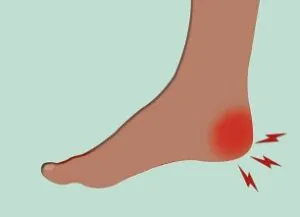 Sever’s disease (also known as calcaneal apophysitis) is a common cause of heel pain in children and adolescents. It is found in children who are physically active. Despite its name, it is not a true disease but an overuse injury. It involves the inflammation of the growth plate in the heel bone (calcaneus). It typically affects children between the ages of 8 and 14. When rapid growth occurs, bones, muscles, and tendons develop at different rates.
During growth spurts, the Achilles tendon (which attaches to the heel) can pull on the still-developing growth plate, especially with repetitive activities like running, jumping, or playing sports on hard surfaces. This traction causes irritation and inflammation. Boys are often affected slightly more frequently or at a slightly older age than girls, but it can occur in both. The condition is usually self-limiting and resolves once the growth plate closes, typically by ages 12–15.
Symptoms of Sever’s Disease
Children with Sever’s disease often complain of:
- Pain or tenderness at the back or bottom of one or both heels (bilateral in many cases).
- Pain that worsens during or after physical activity, especially running, jumping, or sports.
- Limping, walking on tiptoes, or avoiding heel contact with the ground.
- Swelling, redness, or warmth around the heel.
- Stiffness or discomfort in the foot, particularly first thing in the morning or after periods of rest.
- Increased pain when the heel is squeezed from both sides (a common clinical sign).
Symptoms are often more noticeable in sports involving cleats or minimal cushioning, and they tend to improve with rest. If your child is limping persistently or avoiding activities they normally enjoy, it’s important to seek evaluation.
Diagnosis
Diagnosis of Sever’s disease is primarily clinical, based on the child’s history and a physical examination. A pediatric orthopedic specialist will assess symptoms, observe gait, and perform tests such as squeezing the heel (which reproduces pain) or checking for tight Achilles tendons.
Imaging like X-rays may be used to rule out other conditions (e.g., stress fractures, infections, or bone tumors) but is not always necessary for confirmation, as the growth plate changes can appear normal or show fragmentation/sclerosis that overlaps with normal development. MRI is rarely needed unless the diagnosis is unclear. Early evaluation by a specialist experienced in pediatric orthopedics helps differentiate Sever’s from similar issues and prevents unnecessary delays in relief.
Non-Surgical Treatment
The vast majority of cases (over 90%) resolve successfully with conservative, non-surgical approaches focused on reducing inflammation, relieving stress on the growth plate, and addressing contributing factors like muscle tightness or poor footwear.
Common treatments include:
- Rest and Activity Modification: Reduce or temporarily stop high-impact activities (running, jumping). Relative rest is key—continue low-impact options like swimming or cycling when possible.
- Ice Therapy: Apply ice packs for 15–20 minutes several times a day, especially after activity, to reduce pain and swelling.
- Supportive Footwear and Orthotics: Wear well-cushioned shoes with good arch support. Heel cups, lifts, or custom orthotics can offload pressure from the growth plate.
- Stretching and Physical Therapy: Daily calf and Achilles tendon stretches are highly effective. Physical therapy helps improve flexibility, strength, and biomechanics.
- Pain Management: Over-the-counter NSAIDs (like ibuprofen, as appropriate for age/weight) can help with pain and inflammation. Always consult a physician before use.
- Other Supports: In more persistent cases, a short period in a walking boot or cast (3–4 weeks) may be recommended to immobilize and protect the heel.
Most children see significant improvement within weeks to a couple of months with consistent management and can return to sports gradually.
Surgical Treatment
Surgery is extremely rare for Sever’s disease and is rarely required. The condition is self-limiting as the growth plate matures. Surgical intervention might only be considered in highly atypical, refractory cases with complications (e.g., severe persistent symptoms long after growth plate closure or associated issues), but this is not standard. Conservative care remains the cornerstone of treatment.
Rehabilitation and Recovery
Rehabilitation focuses on a gradual return to activity while preventing recurrence:
- Phase 1 (Acute): Pain control with rest, ice, and gentle mobility.
- Phase 2 (Recovery): Stretching, strengthening exercises for calves and lower legs, and gait training.
- Phase 3 (Return to Sport): Progressive loading, sport-specific drills, and monitoring for symptoms. Full return often occurs within 1–3 months, depending on severity.
Emphasize proper warm-ups, cool-downs, cross-training, and age-appropriate training volumes. Maintaining flexibility and strength helps long-term. Recurrence is possible during ongoing growth but is manageable with the same strategies. Long-term outcomes are excellent, with no lasting effects once resolved.
Why Choose Medical City Children’s Orthopedics and Spine Specialists
Why Choose Medical City Children’s Orthopedics and Spine Specialists
Expertise matters for your child’s orthopedic care. Medical City Children’s Orthopedics and Spine Specialists serve North Texas families. Their board-certified pediatric surgeons diagnose and treat Sever’s disease effectively. They also handle growth plate injuries, sports issues, and spine disorders.
The team uses advanced tools. They create personalized plans for each child. Doctors prioritize conservative treatments first. They provide physical therapy and full rehabilitation services. The practice features convenient locations and child-friendly methods. Specialists support your child’s growth and long-term health.
Parents select this team for its pediatric focus. The multidisciplinary group returns kids to sports safely. Does your child have heel pain? Seek early care from these experts. They deliver smoother and faster recovery.
Conclusion
Sever’s disease frustrates active kids and parents. Prompt care makes it highly treatable. The condition remains temporary. Listen to your child’s symptoms. Modify activities right away. Consult a pediatric specialist for guidance. North Texas families should contact Medical City Children’s Orthopedics. Experts provide outstanding evaluation and care. Your child deserves an active future.
A Note from Medical City Children’s Orthopedics and Spine Specialists
Heal pain makes walking really difficult for children, and almost always resolves without any lasting issues. Our team is here to support you with expert guidance, whether you need reassurance, home-care strategies, or a full orthopedic evaluation.
If you have concerns about your child’s leg pain, please don’t hesitate to reach out. Call us at (214) 556-0590 or visit our website to schedule an appointment. Your child’s comfort and healthy development are our top priorities.
Medical City Children’s Orthopedics and Spine Specialists – North Texas’ premier pediatric orthopedic practice dedicated to keeping kids active, healthy, and pain-free.
____________________
Citation: OrthoInfo – Heal Pain
The medical content on this page has been carefully reviewed and approved for accuracy by the Medical City Children’s Orthopedics and Spine Specialists’ qualified healthcare professionals, including our board-certified physicians and Physician Assistants. Our team ensures that all information reflects the latest evidence-based practices and meets rigorous standards of medical accuracy, with oversight from our expert spine doctors to guarantee reliability for our patients.
Recent Comments