
Summer Sports Injury Prevention for Children and Teens
Medical City Children’s Orthopedics and Spine Specialists
 Summer is a time of outdoor play, sports camps, leagues, swimming, biking, and free activity. While these activities are excellent for fitness, skill development, and fun, they also bring higher rates of injuries—especially overuse injuries, sprains and strains, growth-plate problems, and heat-related illness.
Many of these injuries are preventable. At Medical City Children’s Orthopedics and Spine Specialists, we help young athletes stay healthy and active by focusing on smart preparation, balanced training, proper equipment, hydration, and early recognition of problems. This guide offers practical strategies parents, coaches, and young athletes can use throughout the summer months.
Common Summer Sports Injuries in Children
- Overuse injuries (stress fractures, tendinitis, “Little League” shoulder or elbow, Osgood-Schlatter disease)
- Sprains and strains (especially ankles and knees)
- Fractures from falls or collisions
- Growth-plate injuries
- Concussions
- Heat-related illness (heat cramps, heat exhaustion, heat stroke)
Overuse injuries account for roughly half of all pediatric sports injuries and are particularly common when children specialize early in one sport or train year-round without adequate rest.
Key Principles of Injury Prevention
1. Limit Training Volume and Avoid Early Specialization
A useful guideline supported by sports medicine organizations is the “age-to-hours” rule: young athletes should not spend more hours per week in organized sports than their age in years. For example, a 10-year-old should generally stay at or below 10 hours of organized practice and games combined each week.
Encourage multi-sport participation and free play. Taking at least 2–3 months away from a single sport each year, plus 1–2 full rest days per week from organized activity, helps reduce repetitive stress on growing bones, joints, and soft tissues.
2. Prioritize Rest and Sleep
Muscles, tendons, and bones need recovery time. Inadequate sleep increases injury risk. School-age children generally need 9–12 hours of sleep; teenagers need 8–10 hours. Schedule rest days and avoid stacking multiple high-intensity activities on consecutive days.
3. Warm Up Properly and Cool Down
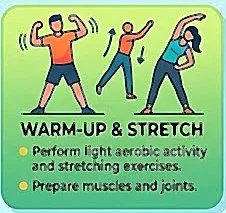
A dynamic warm-up (light cardio plus movement-based stretching and activation exercises) prepares the body for activity. Cool-downs with gentle stretching aid recovery. Neuromuscular training programs that emphasize balance, core strength, landing mechanics, and lower-extremity control have been shown to reduce lower-body injuries, including ACL tears and ankle sprains.
4. Use Proper Equipment That Fits
Ill-fitting or worn-out gear increases injury risk. Ensure:
- Sport-specific shoes with good support and traction
- Helmets that fit correctly and are worn for biking, skateboarding, scootering, baseball, football, and other high-risk activities
- Protective pads (knee, elbow, wrist, shin) when appropriate
- Mouthguards and other sport-specific safety equipment
Check equipment regularly as children grow.
5. Build Strength and Conditioning Gradually
Sudden increases in intensity or volume are a common cause of injury. Progress training slowly. Age-appropriate strength, balance, and flexibility work helps protect joints and improve performance. Resistance training, when properly supervised, is safe and beneficial for children and does not stunt growth.
Heat Safety and Hydration – Critical in Summer
Children produce more heat relative to their body size, sweat less efficiently than adults, and may not recognize early signs of heat stress. Heat illness is preventable.
Hydration guidelines:
- Drink water before activity begins.
- Take regular fluid breaks (every 15–20 minutes during activity).
- Continue drinking after activity ends.
- Water is usually sufficient for sessions under one hour. For longer, intense activity in heat, a sports drink with carbohydrates and electrolytes can help.
- Do not wait until thirsty—thirst is a late signal of dehydration.
Additional heat-safety steps:
- Schedule practices and games in the cooler parts of the day when possible (early morning or evening).
- Allow gradual acclimatization to heat over 7–14 days at the start of the season or when traveling to a hotter climate.
- Wear light-colored, lightweight, breathable clothing.
- Use broad-spectrum sunscreen (SPF 30 or higher) and reapply regularly.
- Take frequent shade or rest breaks.
- Know the heat index or wet-bulb globe temperature and modify or cancel outdoor activity on high-risk days.
- Watch for warning signs: excessive fatigue, dizziness, nausea, headache, confusion, or cessation of sweating.
Recognizing Warning Signs of Injury
Encourage children to speak up about pain. Key red flags include:
- Pain that persists or worsens with activity
- Pain that continues at rest or at night
- Limping or favoring one side
- Swelling, bruising, or deformity
- Decreased performance or willingness to participate
- Any head injury with headache, dizziness, confusion, or other concerning symptoms
“Playing through pain” is not recommended in growing athletes. Early evaluation can prevent minor problems from becoming more serious.
Role of the Pre-Participation Physical
A sports physical (pre-participation evaluation) helps identify medical issues, previous injuries, or musculoskeletal imbalances that could increase risk. It is best completed well before the season starts so any concerns can be addressed.
When to See a Pediatric Orthopedic Specialist
Contact a specialist if your child has persistent pain, swelling, limited motion, a suspected fracture or growth-plate injury, recurrent sprains, or concerns about overuse. Prompt assessment supports safer return to activity and protects long-term joint health.
Expert Care for Young Athletes at Medical City Children’s Orthopedics and Spine Specialists
Our board-certified, fellowship-trained pediatric orthopedic surgeons understand the unique needs of growing athletes. We treat acute injuries, overuse conditions, and growth-related problems, and we emphasize prevention, education, and safe return-to-play decisions.
Whether your child plays soccer, baseball, basketball, swimming, gymnastics, or simply enjoys active summer play, we are here to help keep them healthy and moving.
Call 214-556-0590 to schedule an appointment or for questions about sports injury evaluation and prevention.
Our Locations
- Dallas – 7777 Forest Lane, Building C, Suite 135, Dallas, TX 75230
- Frisco – 5575 Frisco Square Blvd., Suite 240, Frisco, TX 75034
- McKinney – 4510 Medical Center Drive, Suite 301, McKinney, TX 75069
- Arlington – 515 W. Mayfield Road, Pavilion 1, Suite 301, Arlington, TX 76014
- Flower Mound – 4300 Windsor Centre Trail, Suite 400, Flower Mound, TX 75028
____________________
Citation: John Hopkins Hostpital – 10 tips to prevent sports injuries
The medical content on this page has been carefully reviewed and approved for accuracy by the Southwest Scoliosis and Spine Institute’s qualified healthcare professionals, including our board-certified physicians and Physician Assistants. Our team ensures that all information reflects the latest evidence-based practices and meets rigorous standards of medical accuracy, with oversight from our expert spine doctors to guarantee reliability for our patients.

Recent Comments