
Navigating Hip Dysplasia Treatment: A Parent’s Guide to What Comes Next
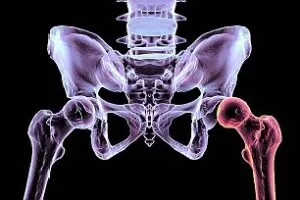 Learning your baby or child has hip dysplasia can feel overwhelming. Knowing what daily life looks like during hip dysplasia treatment helps families feel more prepared and confident. At Medical City Children’s Orthopedics and Spine Specialists, our pediatric team supports you every step of the way—from harness fitting to follow-up care.
Hip dysplasia Treatment for developmental dysplasia of the hip (DDH) is highly successful when started early, but the process involves adjustments for the whole family. Whether your child needs a Pavlik harness, abduction brace, spica cast, or other options, here’s practical guidance on what to expect day-to-day, plus tips to make the journey smoother.
Non-Surgical Options:
Living with a Pavlik Harness or Abduction Brace: For many infants under 6 months, a Pavlik harness is the first step. This soft device gently holds the hips in the optimal flexed-and-spread position to encourage the socket to deepen around the ball of the femur. Most babies wear it full-time (23–24 hours a day) for 8–12 weeks, with regular imaging checks.
Daily Life with a Pavlik Harness – Parent Tips:
- Skin care: Check creases (neck, shoulders, groin, behind knees) daily for redness or rubbing. Keep skin clean and dry with gentle sponge baths—never fully remove the harness unless your doctor instructs you to.
- Diaper changes & feeding: Lift baby gently under the thighs. Loose clothing over the harness works well; many parents prefer disposable diapers.
- Adjustment period: Some babies fuss for the first 2–3 days as they adapt—consistency helps everyone settle into the routine.
- Clothing & comfort: Dress in oversized onesies or outfits that accommodate the harness without forcing legs together.
If the harness isn’t enough, your doctor may recommend an abduction brace. Similar principles apply, with close follow-up from your orthopedic team.
After Closed or Open Reduction:
Caring for a Spica Cast: When a cast is needed (often after reduction under anesthesia), it holds the hip securely while healing occurs. Spica casts typically extend from the chest to the legs and are worn for several weeks to months, with possible changes as your child grows.
Practical Spica Cast Care Tips:
- Keep it clean and dry: Sponge baths only. Protect the cast edges during diaper changes with a waterproof barrier or plastic wrap. Use a hair dryer on a cool setting if the cast gets slightly damp.
- Skin checks: Look daily at cast edges for redness, sores, or irritation. Never insert anything (toys, lotions, powders) inside the cast.
- Positioning & comfort: Elevate the head slightly higher than the feet to help with drainage and reflux. Use pillows or a bean-bag chair for supported sitting/play. Many families find a spica table or an adapted car seat helpful for mobility.
- Diapering: Frequent changes prevent soiling. Tuck a pad or use a larger diaper setup to contain messes.
- Milestones: Children may begin walking a little later because of being in a cast, but most children catch up quickly once it’s removed. Physical therapy often helps rebuild strength afterward.
Recovery and Follow-Up for All Ages
After any hip dysplasia treatment, your child will need monitoring as they grow. Regular visits allow our specialists to track hip development with imaging and adjust plans if needed. For older children or teens with dysplasia, physical therapy focuses on strengthening surrounding muscles, while activity modifications help protect the joint.
Many families worry about long-term effects, but with expert pediatric care, most children go on to enjoy active, pain-free lives. Our team emphasizes compassionate support, addressing both the medical and emotional sides of hip dysplasia treatment.
Why Choose Specialized Pediatric Care
At Medical City Children’s Orthopedics and Spine Specialists, we treat only children and adolescents. Orthopedics is a specialty of our doctors and surgeons at Medical City Children’s Orthopedics and Spine Specialists. They understand your concerns and can answer your questions regarding your child’s condition. Their excellence allows them to use their specialized knowledge and training to find a medical solution. Doctors Richard Hostin, MD, Shyam Kishan, MD, and Kathryn Wiesman, MD, specialize in children and are considered to be the very best by many children’s doctors. Also, we have offices in Arlington, Dallas, Flower Mound, Frisco, and McKinney.
Conclusion
Treatment for hip dysplasia is a journey, but you don’t have to navigate it alone. Preparation, consistent care routines, and a close partnership with your child’s orthopedic team lead to the best outcomes.
If your child has been diagnosed with hip dysplasia or if you’re concerned about symptoms, reach out to our specialists today. Schedule an appointment at one of our North Texas locations and give your child the focused, compassionate care they deserve.
These drafts minimize duplication with your existing page (they reference treatments lightly without repeating full medical details) while adding fresh, practical value. They position your practice as the go-to expert resource in the region.
____________________
Citation: International Hip Dysplasia Institute – Understanding kids with Hip Dysplasia
The medical content on this page has been carefully reviewed and approved for accuracy by the Southwest Scoliosis and Spine Institute’s qualified healthcare professionals, including our board-certified physicians and Physician Assistants. Our team ensures that all information reflects the latest evidence-based practices and meets rigorous standards of medical accuracy, with oversight from our expert spine doctors to guarantee reliability for our patients.

Recent Comments